
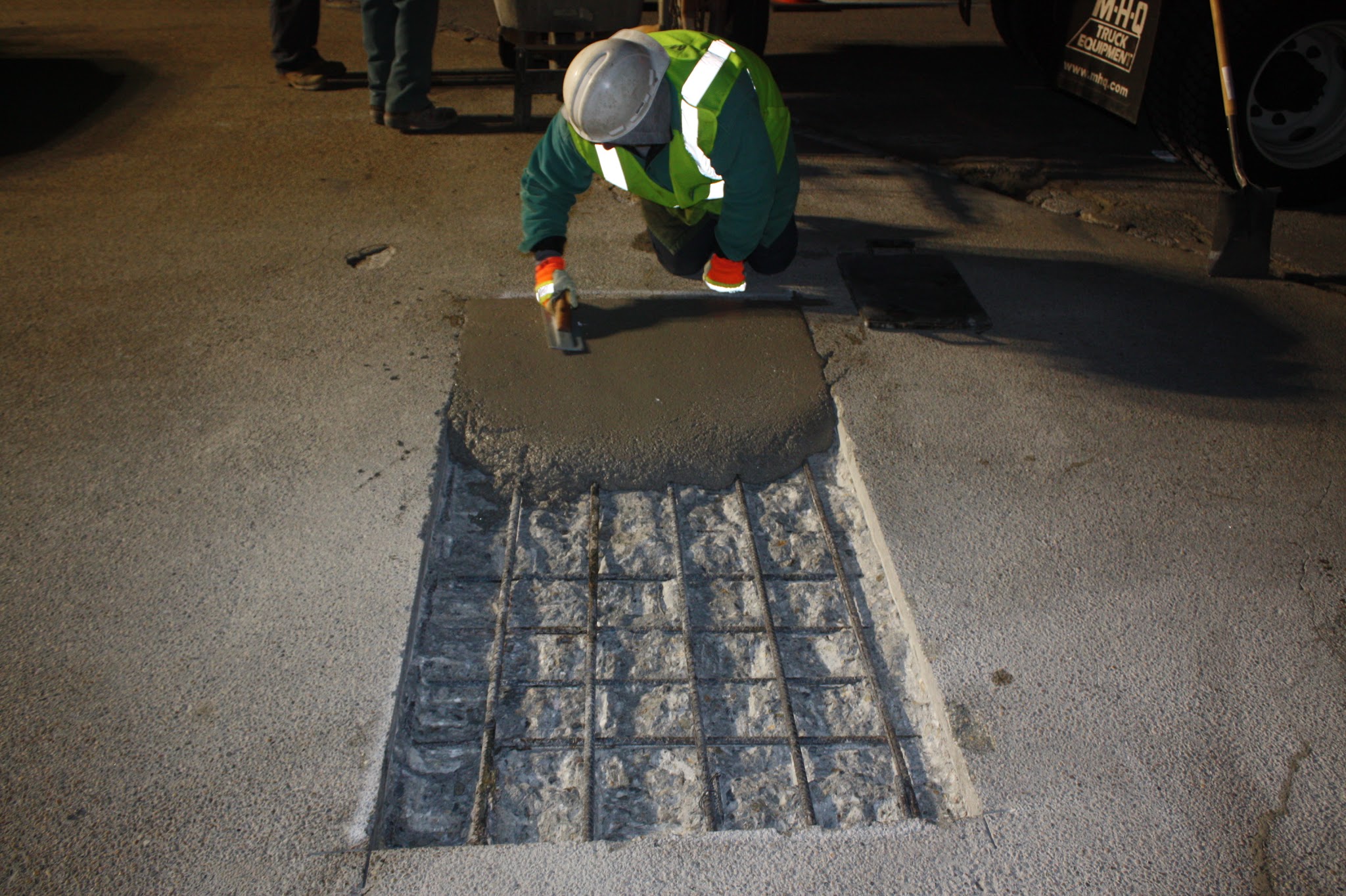
Phoscrete in Cold Weather: A Quick Guide
Cold Weather Concrete Repair with Phoscrete: A Practical Temperature Guide
Temperature is the variable that determines which Phoscrete formula you use and what field adjustments you make. This guide covers formula selection by temperature range, practical cold weather handling steps, and how to manage both F1 and F3 when conditions run hot.
Which Formula to Use and When
Phoscrete offers two primary formula families for horizontal concrete repair. Here is how to choose based on field temperature:
- Below 32°F: Use Phoscrete F1-HC. It is the cold-weather concrete repair product in the Phoscrete line, with a working temperature floor of -10°F (-23°C).
- 32°F to 45°F: F1-HC is the safer choice. F3 can be used in this range only if the activator jugs and dry mix are heated first.
- 45°F to 85°F: Either formula works. Formula selection in this range depends on working time requirements and placement method.
- Above 85°F: F3-HC is the better fit. Its longer working window gives crews more control in warm-weather concrete repair conditions.
Phoscrete F1 and F3 Temperature Usage Chart

Using Phoscrete F1-HC in Cold Temperatures
F1-HC is designed specifically for concrete in cold temperatures. It handles sub-freezing conditions where standard repair mortars stall or fail to develop bond strength. For cold-weather concrete patchwork on bridge decks, pavements, and industrial floors, it is the go-to formula.
Fast-Set Admix for Sub-Freezing Conditions
In very cold conditions, use Phoscrete Fast-Set Admix with F1-HC to accelerate set time and reduce the window during which the repair is vulnerable to freezing. Review the Cold Temperature Concrete Repair Guidelines before using Fast-Set Admix to confirm the correct dosage for your conditions.
Using Phoscrete F3 in Cold and Transitional Conditions
F3 is formulated for longer working time, making it well suited to large-volume repairs and warmer field conditions. It is not recommended below freezing without preheating preparation.
Field Tips for F3 in Cold Weather
If you need to place F3 when temperatures are near or below 32°F:
- Heat the activator jugs and dry mix before mixing. Do not skip this step.
- Use an 8-gallon bucket for mixing large bags in cold conditions. The added volume helps with consistency.
- Use a pencil vibrator during placement. Cold temperatures reduce flow, and vibration helps the material settle and consolidate properly.
- Use Phoscrete Slow-Set Admix when pumping or spraying F3 to extend the working window.
Managing Both Formulas in Hot Weather
High ambient temperatures compress working time for both F1 and F3.
For F1-HC in elevated temperatures: chill the activator jugs for approximately 4 hours before starting repairs. Refresh the ice before heading to the job site. Keep dry mix bags shaded from direct sunlight to prevent preheating.
For F3 in hot weather: cooling the activator on ice is the primary way to extend working time. A slow-set admixture provides additional control when placing large volumes or using spray application.
Full Installation Guidelines
Temperature management is only part of a complete cold-weather concrete repair installation. Review the Phoscrete Cold Temperature Concrete Repair Guidelines and the relevant Technical Data Guide before starting any repair outside the standard 45°F to 85°F range. Contact a Phoscrete sales engineer if your conditions fall outside these parameters or if you need guidance on admixture dosing.
Be sure to review and follow our cold-temperature concrete repair guidelines, especially when using Fast-Set Admix with Phoscrete Formula 1-HC.
Contact your Phoscrete sales engineer with questions about best practices for F1 and F3 installations in any weather. (contact form below)